
Line Dancing Night RSVP Website: Floor Spots, a Beginner or Experienced Track, and a Lesson Cap
A line dancing night RSVP has to lock a floor spot and a beginner or experienced track before the lesson starts, because a maybe does not hold a spot on the floor.
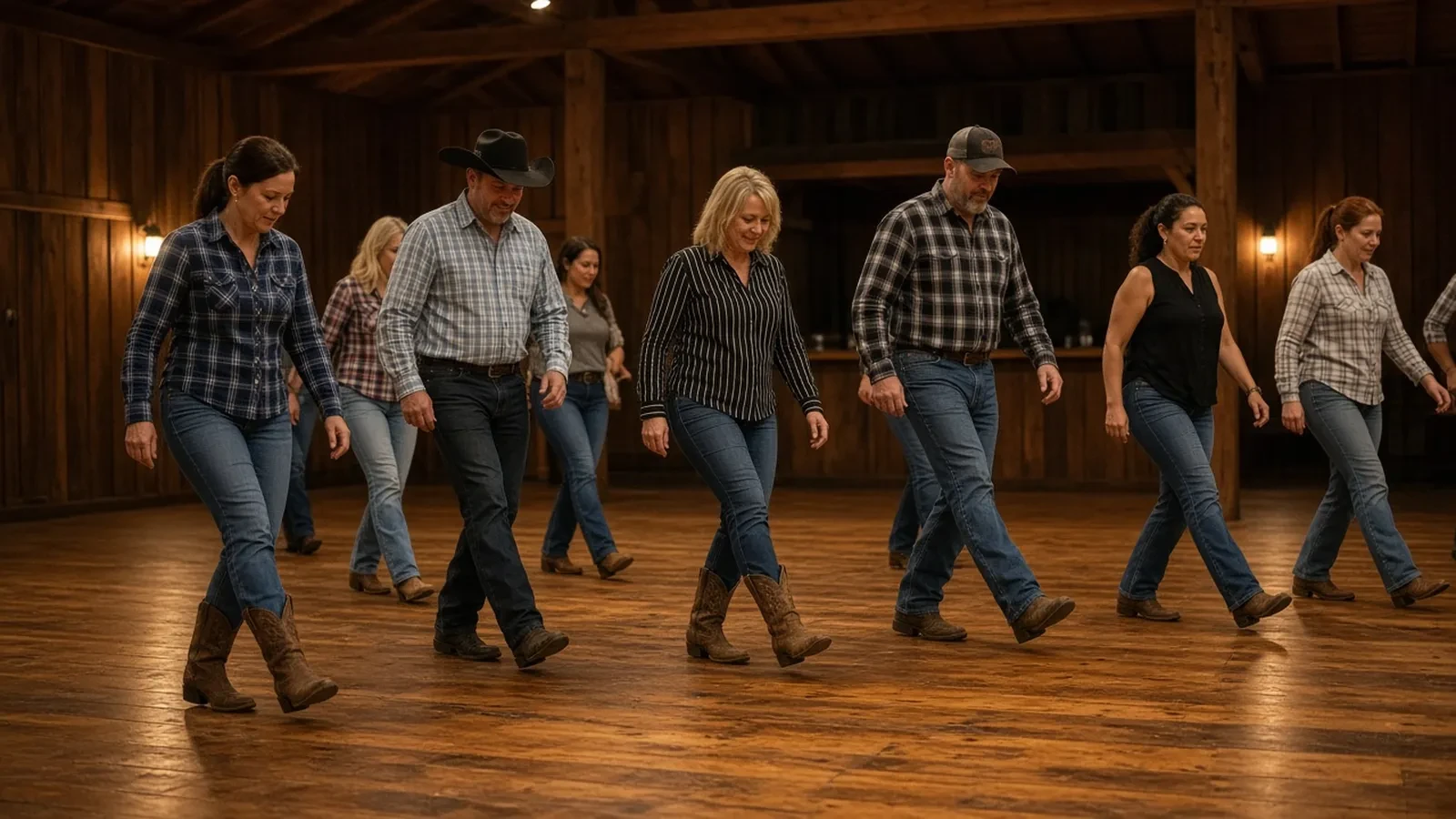
A line dancing night breaks when the floor holds twenty-four dancers and thirty-two people walk in wearing boots, or when a beginner class is built for twelve and half the room has been dancing for years and the other half has never heard the call. The instructor, the floor, and the song list are set before the first line forms. The room does not add a second floor because a couple decided to come after the lesson started. A maybe does not hold a spot on the floor.
You can create a line dancing night RSVP that fills the spots the floor can hold, splits beginner and experienced dancers, and stops when that lesson is full.
Ask what this floor can hold
Call the hall, the bar, or the instructor before you send the link. Write down how many dancers fit in one line without hitting tables, how many lines the caller will teach, how long the lesson runs, and what time the floor turns into open dancing or closes. Those numbers are your cap. Do not guess from a photo of an empty dance floor.
Spectators and dancers are different limits. A friend who wants to watch from a booth does not take a floor spot, and a friend who will dance does. Ask whether the venue charges per dancer, per person through the door, or a flat hall fee. Ask the last time you can change the headcount without paying for unused spots. If the instructor charges for a no-show after that time, print that rule on the page.
Set a capacity limit on people who will dance, and a separate limit if the venue also caps the room. When the last floor spot is taken, the form should say the lesson is full. A partner who might come still needs a place in a line. If the line is full, they are not in this class, even if they already own boots.
Beginner and experienced are different lessons
Line dances have calls, walls, and steps that stack. A room that mixes a first-timer with someone who knows twenty dances will stall on the first song or lose the new people by the third. Ask the instructor whether this night is a beginner lesson, an experienced session, or two short blocks with a cap on each. If they will only teach one level, say that on the page. Do not advertise both.
Ask each person to pick a track:
Beginner means they want the taught steps from a stop, with no assumption they know the dance
Experienced means they can follow a call without a full walkthrough, and only if that block exists
Not attending is a no, not a maybe that holds a place in the line until the music starts
Cap each track at the number the instructor can see and correct. A beginner block of twelve is full at twelve even if the experienced block still has room. Say what shoes the floor allows. If you are in a bar, say the age rule at the door.
A plus-one still takes a spot
Line dancing does not need a partner, which is why people treat a plus-one as free. The floor does not. Track plus-ones as separate dancers with their own track, beginner or experienced. A yes that hides a second person will put twenty-six boots on a floor you capped at twenty-four. If you are not allowing guests, say that a ticket is one dancer and the door will not add a name.
Ask about access needs before you confirm a spot: a chair at the edge for someone who cannot stand the whole lesson, or a floor entrance without stairs. If the hall has a step up to the dance floor and no ramp, say so. A lesson plan is not a ramp.
The minute the line is set
The meeting point is the hall door, with the street address and whether you enter through the bar or a side door. Put the instructor's start time on the page. Late dancers do not get a second walkthrough after the first dance is taught. They can join a later song only if the instructor said that is possible, and they still needed a spot reserved before the cap closed.
Write the end time, and whether open dancing after the lesson is included or a separate cover. The questions that matter are floor spot, track, and whether they can stand for the lesson.
Tie your RSVP deadline to the instructor's cutoff for printing the song list and setting the lines. After that, a late yes is a call about a cancellation, not a promise of more floor. If you want names ready when someone drops, keep them as standbys and tell them they do not have a spot until you write back. A maybe does not hold a spot on the floor.
Export the list the day you lock: attending or not, beginner or experienced, plus-ones as their own rows, access note, phone, and shoe or age rule you published. A line dancing night RSVP is finished when every spot in the line has a dancer, the two tracks are not mixed by accident, and the instructor can start the call without rebuilding your list on the floor.