
How to Handle RSVP for Blended Family Events (Without Drama)
Handle RSVPs for blended family events with clear households, sensitive plus-ones, and one shared list—so seating and emotions stay manageable.
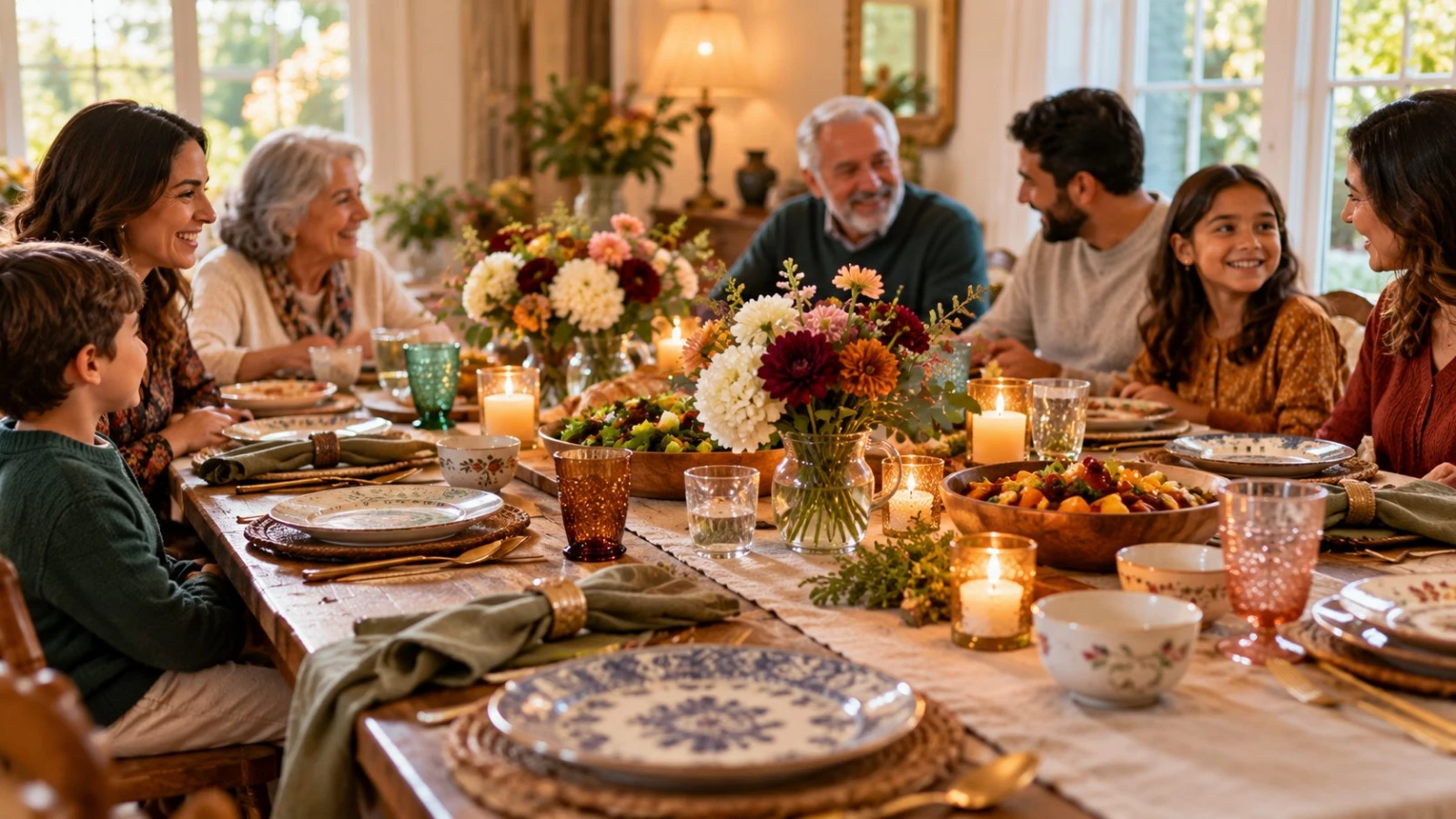
Figuring out how to handle RSVP for blended family events is part logistics, part diplomacy. Households may include kids from different homes, new partners, and relatives who prefer not to sit together—yet everyone still needs a clear Yes/No path.
Use one shared online list (SnapRSVP’s create an online RSVP page) so you’re not reconciling three group chats the week of the party.
Start with household mapping, not assumptions
Before invitations go out, write who lives/travels together and who needs a separate invite. Blended families often need more rows than a traditional nuclear list. For larger kin gatherings, the structure of a family reunion RSVP website helps: named households, kid counts, and lodging notes.
Invite each custodial household separately when schedules differ
Name children explicitly if only some are invited
Never rely on “and family” when “family” is contested
Plus-ones with clear, kind rules
New partners are a common flashpoint. Decide the rule once, write it once, and stick to it. Practical patterns live in wedding RSVP plus-one management online and plus-one wedding RSVP etiquette—even for non-wedding dinners.
Example: “Adults named on the invite + children under 18 in their household. Additional guests by prior confirmation only.” Collect plus-one names on the form so place cards aren’t “Guest of Alex.”
Form fields that reduce day-of stress
Household or “arriving with” name
Kids attending (names + ages if meals differ)
Dietary needs per person
Seating sensitivity note (private host-only field—never public)
Need accessible seating or quiet space
Keep sensitivity notes off any spreadsheet you share with relatives. Host eyes only.
Seating and ceremony politics
RSVPs inform seating; they shouldn’t broadcast rankings. Use priority codes for photographers and a private seating chart for you. If two sides should not mix at a table, solve it in the chart—not with awkward public labels.
For weddings and vow renewals, keep one canonical tracker as in the best way to track wedding guest responses. Multiple “official” lists create conflicting truths.
When people need to change replies
Custody weekends flip. Show guests how to change RSVP after submitting (or offer a host edit path). Prefer updates in the same system over texted side deals that never hit the list.
Communication tone
Warm, specific, boringly consistent. Avoid jokes about “the other side.” Send the same logistics email to everyone. If someone asks for a special exception, answer privately and document the decision so you’re not accused of uneven rules later.
Day-of checklist
Freeze Yes list 48 hours out for catering
Print place cards from the final export only
Brief greeters on name pronunciations and who arrives together
Keep a buffer seat plan for last-minute custody swaps
Handling RSVP for blended family events well means clear households, named children, fair plus-one rules, and one list everyone trusts. Kindness shows up in the details long before the first toast.
Kids, two homes, one celebration
When children split time between households, invite clarity prevents heartbreak. Name each child on the invite if they are welcome. If only some kids are invited (adults-only evening), say so without blaming either household. Offer a daytime cousin hang separately if that softens the edge.
Collect which adult is bringing which child on the RSVP so greeters and gift tables don’t guess. Avoid assuming last names match.
Gifts, group photos, and public callouts
Blended events sometimes include toasts that omit a parent or over-spotlight a new partner. Use the RSVP list to brief speakers on who is present—not to police relationships. For group photos, give the photographer a private order of combinations that respects boundaries without announcing drama.
If you collect song requests or roast boundaries, keep those fields optional and host-reviewed before anything hits a playlist or mic.
After hard declines
Some relatives will No for reasons they won’t write on a form. Thank them briefly, keep them on future optional invites if appropriate, and do not lobby through children. Your headcount stays cleaner when you accept Nos gracefully.
How to handle RSVP for blended family events is ultimately about dignity: named guests, fair rules, private notes, and one list that doesn’t turn into a referendum. Plan the form with empathy; the seating chart will thank you.
Who sends the invite
Pick one communications owner. When both partners’ families are involved, dual “official” invites with different links guarantee mismatched headcounts. The other partner can forward the same URL with a personal note—same form, warmer delivery.
For milestone birthdays or graduations in blended families, put the celebrant’s preferred name on the page title and keep parental politics off the RSVP copy entirely.