
High Tea Party RSVP Website: Seatings, Sandwich Counts, and a Dietary Line
A high tea party RSVP has to lock a place setting and a dietary line before the sandwiches are cut, because a maybe does not hold a teacup.
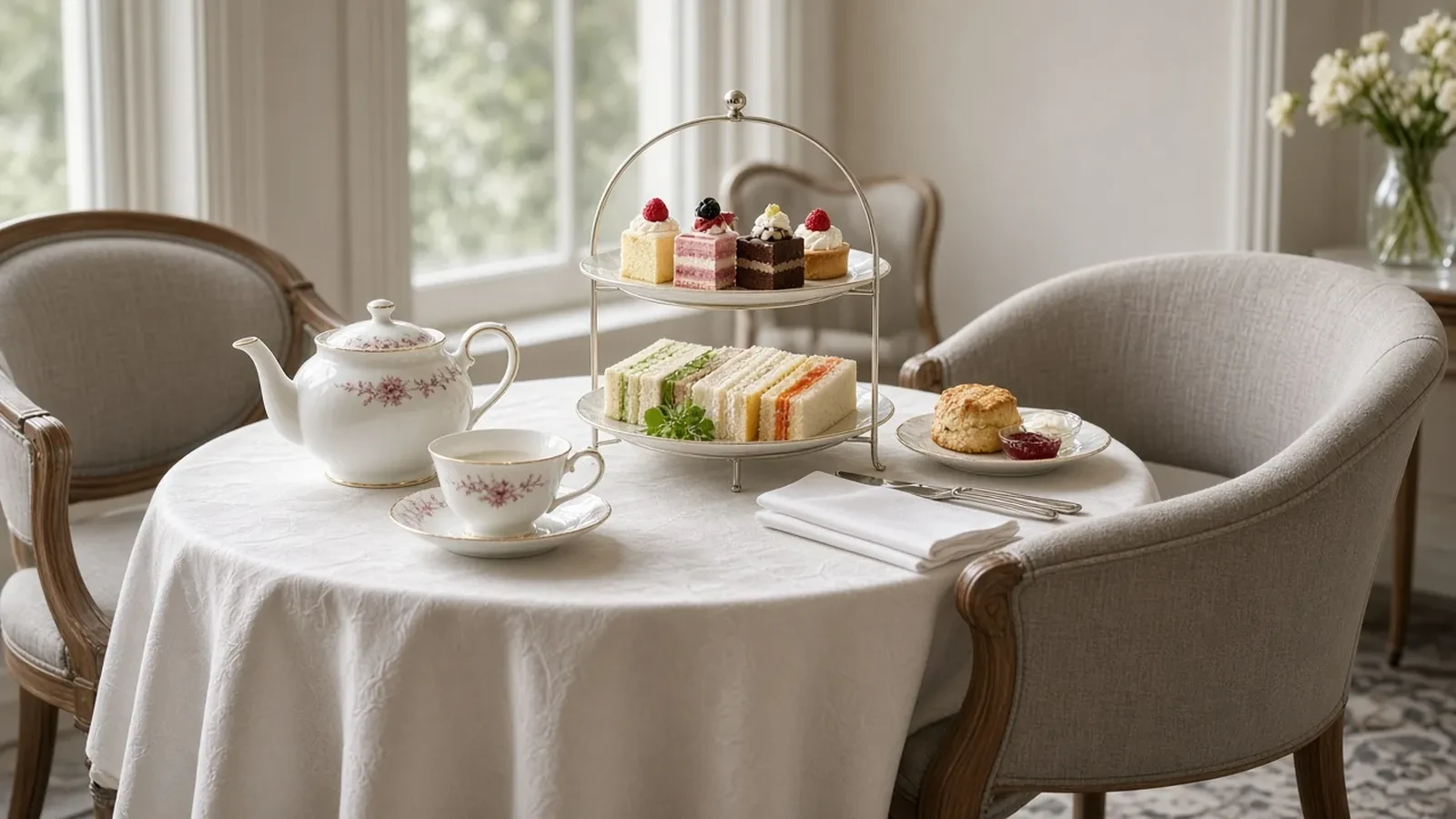
A high tea breaks when the tea room set twelve places and fifteen people expect a stand, or when the sandwiches are cut with ham and three guests do not eat pork. The kitchen slices to the count you lock. A tiered stand does not stretch. A maybe does not hold a teacup.
You can create a high tea RSVP that fills a seating, records savory and sweet limits, and stops when the place settings are gone.
Ask the room how many seats this service holds
Call before you send the link. Write down how many place settings they will serve your group, whether you have one seating or two, what time each seating starts, and how long a table may stay. A second seating is a second count, not a place to hide extra maybes. Ask the last time you can raise or cut the number without paying for empty stands.
Ask what each setting includes: how many savories, whether scones are plain or with add-ins, how many sweets, and whether tea is poured from a shared pot or chosen by the cup. Ask whether a child is a full setting or a smaller one, and the age the room uses for that split. Put those facts on the page. Do not describe a menu you have not confirmed.
Set a capacity limit on place settings, not on the size of the invitation list. When the last seat in a seating is taken, the form should say that seating is full. If the room can add a chair only before a clock time, print that time. A chair in the aisle is not a setting the kitchen will plate.
Savories, scones, and a dietary line the kitchen can use
High tea looks flexible and is not. Many rooms plate the same stand for the whole party. Some will swap a sandwich or a gluten-free scone if you tell them by a deadline. Ask which swaps they will do, how many of those swaps they can make, and what they will not change. Write the no on the page.
Ask each person:
Which seating they can attend, if you have more than one
What they cannot eat, in items the kitchen named, such as pork, egg, gluten, nuts, dairy, or shellfish in a savory
Not attending is a no, not a maybe that holds a stand until the bread is cut
Collect that as a dietary line with severity. A preference against cucumber is not the same as a gluten problem that makes a shared scone plate unusable. Ask the room whether a severe allergy can be seated with this menu at all. If the answer is no, tell the guest before they treat the invitation as a yes.
Where they sit, and whether they can reach the room
If the room will take seating requests, collect a seating note that names who must sit together. A tea room with small tables cannot honor a party of nine at one table if the largest table is four. Ask the largest table size and do not collect a request the room cannot meet.
Ask about stairs, a tight restroom, and whether a guest needs a chair with arms or space for a mobility aid. Collect access needs on the RSVP before you confirm the table, and check them against the room. A parlor up a flight of stairs is a fact, not a detail you mention at the door.
Arrival, dress, and the lock
Put the room's address, entrance, and check-in time on the page. Tea that is steeped for an empty table is wasted, and many rooms will not hold a seating past a short window. Ask people to arrive in that window. If the room has a dress expectation, quote it. Do not invent a stricter one.
If people are coming as a household, each person needs their own setting answer. One form that says "the family" without a number will undercount sandwiches. Say that children who need a chair count as seats.
Tie your RSVP deadline to the kitchen's prep deadline. After that, a late yes is a call about a cancellation, not a place setting. Standbys should be told they do not have a cup until you write back. A maybe does not hold a teacup.
Export the list the day you lock: seating, attending or not, dietary line and severity, who sits together, access needs the room can meet, and phone. A high tea RSVP is finished when every stand has a name, the kitchen has the swaps it agreed to make, and you are not holding a chair for a maybe.