
Gelato Making Party RSVP Website: Base Counts, a Machine Cap, and a Churn Line
A gelato making party RSVP has to lock a base batch and a machine before the first churn, because a maybe does not hold a base batch.
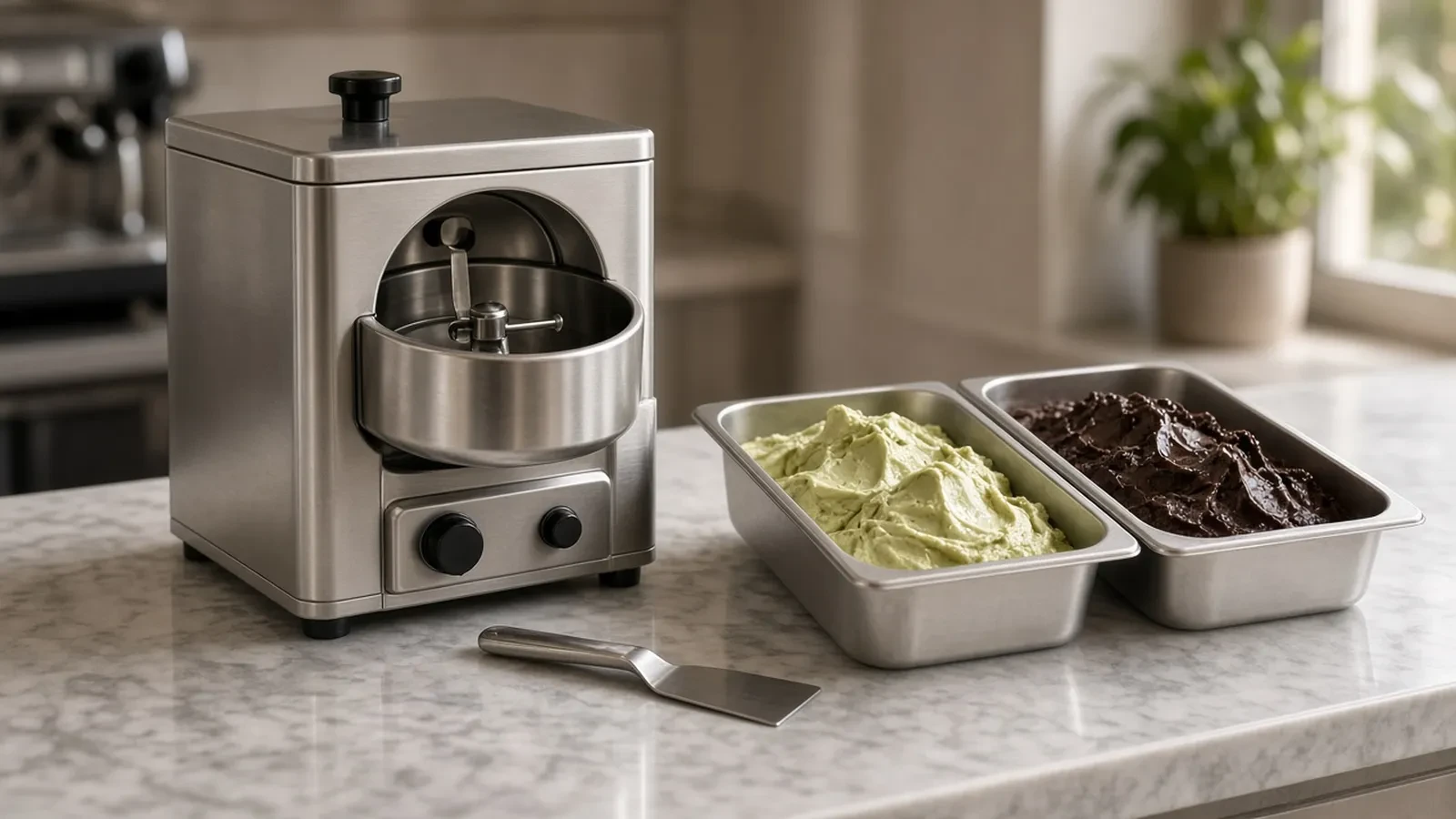
A gelato making party breaks when four machines are chilled and nine people arrive expecting a base, or when the dairy order was built for four and two of those names were still a maybe on Friday. Base batches, the machine each batch churns in, and the number of churns you will actually finish are set before the first pour. The host does not mix a fifth base because a neighbor decided to churn after the sheet closed. This is a dense, slowly churned gelato base from a small batch freezer, not an ice cream social with scoops from store tubs and not a soft-serve machine left running all afternoon. A maybe does not hold a base batch.
You can create a gelato making party RSVP that fills the machines you will actually chill, records who is churning and who is only tasting, and stops when those seats are full.
Count the makers the machines can hold
Walk the kitchen before you send the link. Write down how many batch freezers you can run without two bases waiting on one compressor, how many bases are already cooked and chilled, and whether a spare base is a replacement for one that split or a fifth maker. If four machines can each take one base, that number is your cap: four makers, not a crowd sharing one custard pot and one dasher.
A gelato station is one base, one chilled machine, and one person who stays with that churn. You pour the cold base, run it to the density you named, and pack it off when that batch is done. There is no scoop buffet, no open tub for the whole block, and no shared base that becomes someone else's second flavor. Ask whether a person who will not churn can taste from a chair away from the machines, and whether that person still counts toward the number the kitchen can hold. Pick one rule and write it on the page. Tasters stay off the machine. They do not pour "a little extra" or start a second base just to see the texture.
Ask the last time you can change the milk, cream, and egg order without paying for dairy you cannot return. If the shop locks that order on Monday for a Saturday party, that Monday is your lock. Write the finish too: one base, one named maker, machines emptied only when the churns you named are packed. A fifth base "if a spare pint of milk turns up in the fridge" is not a plan.
Set a capacity limit on churning seats, not on everyone who was invited to taste. When the fourth seat is taken, the form should say the party is full. If the bases are already cooked, a late maker is not at these machines.
The churn line is a batch count, not a vibe
Name the run you will finish and stop there. A clear line is one base, one churn to the density you named, and a stop at "packed and the dasher washed," not a second flavor for every guest who walks in. Churning until the dairy is gone is a different workshop, and you will not finish it in this block of time. An ice cream social, with pre-scooped tubs and toppings, is a different party. So is a soft-serve afternoon, with one machine left on for whoever shows up.
Put that batch count on the form as the point you will stop, not a vague "until it tastes right." If the party ends when four bases are packed and the machines are washed, that is the line. People who want to keep churning until the pots are empty will still be pouring when the kitchen has to close. You need a yes to this base, this machine, and this churn line before you hand out dairy.
Who is an extra spoon, and what they cannot eat
Parties go wrong when a yes is really two people and one base. Gelato bases are milk, cream, and often egg, and a mix-in is a separate note from the churn itself. A plus-one who wants their own flavor is another base and another machine, not a second spoon in a batch you already counted. A guest who cannot eat the base does not get assigned a churn they will leave in the bowl.
Track plus ones separately so a guest and a friend are two names against the machine cap, not one RSVP that arrives as a pair. Collect dietary restrictions with severity before you cook: dairy, egg, and any nut or fruit mix-in, including how serious the limit is. Write what happens if someone misses the start: their base goes to a standby already in the kitchen, or it stays chilled and the late guest does not begin a second churn.
The moment the bases are locked
The meeting point is the kitchen you named, not "the house" with no machine marked. Put your phone on the page. A message in the group chat is not a base assignment. You match names to machines.
Tie the deadline to the dairy order, the day the maker count cannot change. After that, a late yes is a call about a cancellation, not a promise of another base. If you want names ready when a maker drops, keep them as standbys and tell them they do not have a batch until you write back. A maybe does not hold a base batch.
Export the list the morning you lock: attending or not, which machine, plus-one name, dietary note, and phone. A gelato making RSVP is finished when every machine has one named base, the churn line is the batch count you will actually stop at, and a late guest knows whether they are churning or tasting from the chair.