
Fish Fry RSVP Website: Fryer Batches, a Fish-or-Sides Order, and a Locked End Time
A fish fry RSVP has to lock a plate in a fryer batch and whether that plate is fish or sides only before the oil goes on, because a maybe does not hold a fillet.
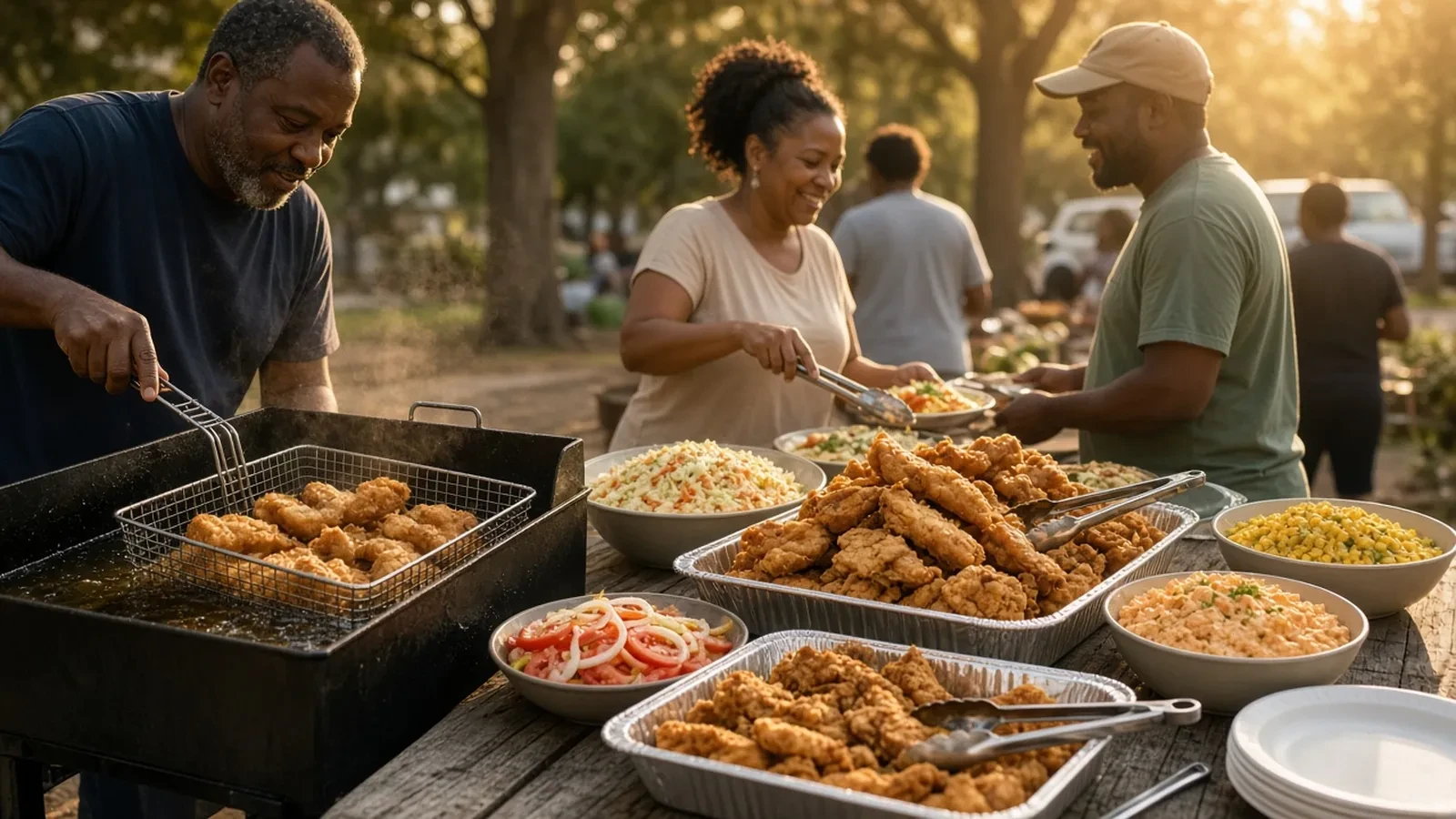
A fish fry breaks when the fryer can finish ninety pieces and a hundred and twenty people show up holding plates, or when someone who cannot eat breaded fish is handed the only option on the line. Oil, fillets, and the hall's last seating are set before the first basket goes in. The fryer does not grow a second vat because a neighbor decided to come after the fish was portioned. A maybe does not hold a fillet.
You can create a fish fry RSVP that fills the batches the fryer can finish, records whether each person wants fish or sides only, and stops when that service is full.
Ask what this fryer can finish
Call the kitchen, the church hall, or the rental fryer operator before you send the link. Write down how many pieces fit in one basket, how many baskets you can run before the oil is spent, how long each basket takes, and what time the fryer has to be off. Those numbers are your cap. Do not guess from last year's crowd or from the number of folding chairs in the room.
Chairs and fillets are different limits. A hall can seat eighty and still only fry fish for fifty if you have one vat and a hard end time. Use the smaller number. Ask whether a second vat is actually on site, who runs it, and whether you can add it the week of the fry. If you cannot, do not invite as if you can.
Ask the price per plate, what a plate includes, and whether a kids' plate is fewer pieces. Ask the last time you can change the fish order. If the supplier charges after that time, print that rule on the page.
Set a capacity limit on people who will eat, not on everyone who was invited. When the last plate in the last basket is taken, the form should say the fry is full. A friend who might come still needs a fillet or a sides plate and a place in a batch. If the oil is already planned, they are not in this service.
Fish, sides only, and what the breading contains
Most community fish fries bread the fish in wheat flour or a cracker mix, then fry it in oil that may also cook hush puppies. That is the meal, not a side note. Ask the cook which fish this booking uses, whether a baked or unbreaded piece exists, and whether sides can be plated with no fish and no shared fryer oil. Many halls cannot run a separate oil. Write that limit on the page so people do not assume a gluten-free fillet exists.
Collect a dietary line with severity, not a checkbox that says "allergy." Fish, wheat in the breading, egg in the batter, and peanut oil are different problems. Ask whether a plate of coleslaw, potatoes, and bread from a separate table is safe, or whether the whole hall shares one fryer and one serving line. If a severe fish or wheat allergy cannot be kept off that line, say that before someone books a seat they cannot use.
Ask each person to pick a plate:
Fish plate means the fried fish and sides the kitchen is actually cooking
Sides only means no fillet, and only if the kitchen agreed to plate sides away from the fryer
Not attending is a no, not a maybe that holds a fillet until the fish is already thawed
Batches, not a single rush at six
A fryer serves in batches. If everyone arrives when the doors open, the first baskets are fine and the last forty people stand in a line while the oil cools and the hall's end time gets close. Collect arrival windows that match how fast you can fry: an early seating, a middle seating, and a last seating that still ends before the fryer shuts off. Cap each window at the number of plates that seating can finish. A window with no plates left should close even if another window still has room.
Say which door is the serving line. If you sell tickets at the door, say whether a yes is a plate already paid for or a plate they still pay for when they arrive. A paid plate that does not show up is food you already bought.
The moment the fish order locks
The meeting point is the hall door, with the street address and whether the entrance is the side door by the kitchen. Put the first seating time on the page. Late arrivals do not get a new basket after the last oil is planned.
If you allow a guest, that person needs their own plate choice and their own spot in a batch. Track them as a separate yes. One form that hides an extra diner will blow the fillet count and the seating you already split. Say that on the page.
Tie your RSVP deadline to the fish order cutoff. After that, a late yes is a call about a cancellation, not a promise of more fillets. If you want names ready when someone drops, keep them as standbys and tell them they do not have a plate until you write back. A maybe does not hold a fillet.
Export the list the day you lock: attending or not, fish or sides only, arrival window, each dietary line and how severe it is, phone, and whether the plate is paid. A fish fry RSVP is finished when every basket has a count, the sides-only plates are separated from the fryer line, and the cook can thaw fish without rebuilding your list at the vat.