
Destination Wedding RSVP Timeline: When to Ask Guests to Reply
Use this destination wedding RSVP timeline to coordinate save-the-dates, travel details, hotel blocks, event-by-event attendance, and a final headcount without chasing guests across time zones.
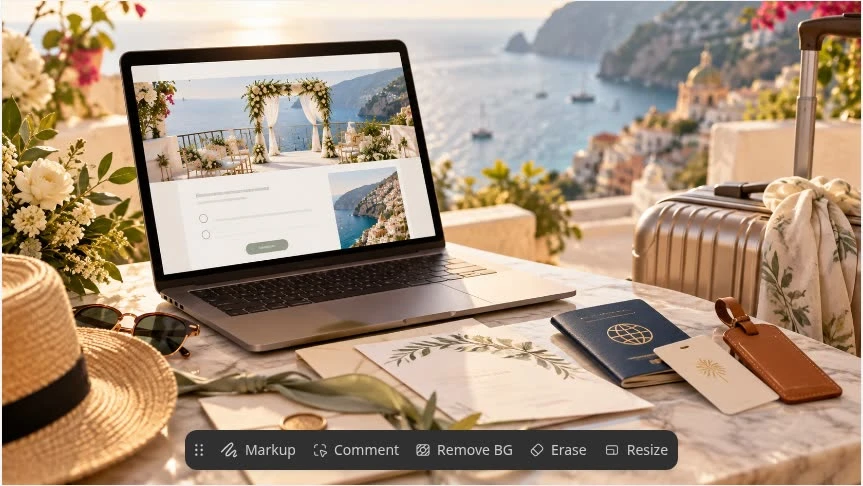
Why a destination wedding needs an earlier RSVP plan
A destination wedding RSVP timeline has more moving parts than a local reception. Your guest count affects the venue and caterer, but it can also affect room blocks, airport transfers, welcome events, rehearsal meals, and the number of printed itineraries. Guests need time to compare flights, request time off, arrange childcare, and decide whether they can afford the trip. That is why a normal “reply a few weeks before the wedding” approach can leave you with missing information when vendors need firm numbers.
The goal is not to pressure people into saying yes. The goal is to give them a clear decision date, useful travel information, and one easy place to respond. A digital RSVP page can keep the response and the logistics together, while your invitation still provides the personal details and tone of the celebration.
A practical destination wedding RSVP timeline
12 to 18 months before: set the guest-list rules
Before sending anything, decide which guests are invited to the wedding itself and which are invited to additional events. A destination celebration often includes a welcome drink, ceremony and reception, farewell brunch, or optional excursion. Make those event boundaries clear in your guest list. Also decide whether children, plus-ones, and local friends who cannot travel will receive different invitations.
Ask your venue and planner for every deadline that depends on attendance. List the hotel-block release date, transportation commitment date, catering guarantee date, and any minimum room or meal requirements. Work backward from the earliest deadline rather than choosing an RSVP date by habit.
8 to 12 months before: send save-the-dates with the travel hub
Destination save-the-dates should give guests the date, location, and a place to find travel information. Include a wedding website or RSVP landing page even if formal RSVPs are not open yet. The page can explain airport options, hotel blocks, passport requirements, and when the full invitation will arrive. This reduces repetitive questions and lets guests start planning without treating an early notice as a final commitment.
For a useful overview of the broader invitation calendar, see this wedding invitation timeline. Your destination schedule may start earlier, but the same principle applies: every communication should tell guests what action is needed now and what can wait.
6 to 8 months before: open the detailed RSVP experience
When formal invitations go out, your online RSVP should contain the information guests need to make an informed decision. Include the venue location, hotel-block link, transportation notes, dress code, and a schedule of hosted events. If your event has international guests, keep dates and times unambiguous and make the page easy to use on a phone.
Use event-by-event questions instead of one vague attendance question. A guest may attend the ceremony but skip the welcome dinner, or attend the wedding and leave before the farewell brunch. Ask for each person's attendance separately when households include different travelers. A simple form is more reliable than collecting answers in text messages and later trying to reconcile them in a spreadsheet.
10 to 12 weeks before: set the RSVP deadline
For many destination weddings, a deadline 10 to 12 weeks before the wedding is a useful starting point. Adjust it to the hotel-block cutoff and your caterer's requirements. Ideally, the RSVP deadline should arrive before the room-block release date, not after it. Guests who say yes need enough time to book, while you need enough time to identify missing responses and release unused rooms responsibly.
State the deadline in one prominent place and repeat it in the invitation message. Avoid soft language such as “please respond when you can.” A date gives guests a clear task and gives you permission to follow up politely.
What to collect on a destination wedding RSVP
Attendance by event: Ask about the ceremony, reception, welcome event, farewell brunch, and any hosted activity separately.
Names of every attendee: Confirm spelling for place cards, airport transfers, rooming lists, and meal counts.
Travel timing: Arrival and departure dates can help you plan shuttle windows, but make the question optional if guests have not booked flights.
Hotel information: Ask whether guests plan to use the room block, another hotel, or a private rental. Do not treat this answer as a booking.
Dietary and accessibility needs: Ask for specific allergies, dietary requirements, mobility needs, and other details the venue should know.
Emergency or day-of contact details: Collect only what your planner genuinely needs and explain how it will be used.
Keep the form focused. Travel questions are helpful when they support a real planning decision, but a long questionnaire can make guests postpone their response. If a detail will not change the plan, leave it out or collect it later in a separate travel update.
How to manage guests who are undecided
Some invitees need to check work leave, family care, or passport timing. Give them a specific extension rather than leaving their status open indefinitely. Mark the response as pending in your guest list and set a personal follow-up date. A short message such as “We are finalizing the room block on Friday; could you let us know by Thursday whether you expect to attend?” is clearer than repeated reminders.
Do not assume silence means yes. Do not add an unconfirmed traveler to the catering or transport count. Keep a separate list of non-responders and undecided guests so your confirmed headcount remains accurate.
Two weeks before the vendor deadline: reconcile the list
Once the RSVP deadline passes, review the responses by event, meal, allergy, hotel plan, and transportation need. Look for mismatched totals: two people attending the wedding but one meal selected, a guest listed for the welcome dinner but not the reception, or a plus-one name missing from the transfer list. Resolve these items directly with the household rather than guessing.
At this point, stop accepting casual changes through multiple channels. Route updates through the same RSVP page or one designated planning contact so the master list remains trustworthy. Export or share the final report with your planner and vendors only after you have checked the totals.
Make the timeline easier for everyone
A polished RSVP experience should answer the practical questions that otherwise create dozens of messages: where to stay, how to get there, which events are included, and when a response is due. If you are ready to build that central page, create a SnapRSVP event page and organize the guest response flow before sending the formal invitation. You can also review RSVP website examples for ideas on presenting travel information without overwhelming guests.
Destination wedding planning will always involve some uncertainty. A clear timeline cannot make every guest travel, but it can make every decision easier to understand. Set deadlines around real vendor and hotel needs, ask only useful questions, follow up personally with non-responders, and keep one current list from the first save-the-date through the final headcount.