
Darts Night RSVP Website: Dart Counts, a Board Cap, and an Oche Line
A darts night RSVP has to lock a set and a board before the reservation closes, because a maybe does not hold a board.
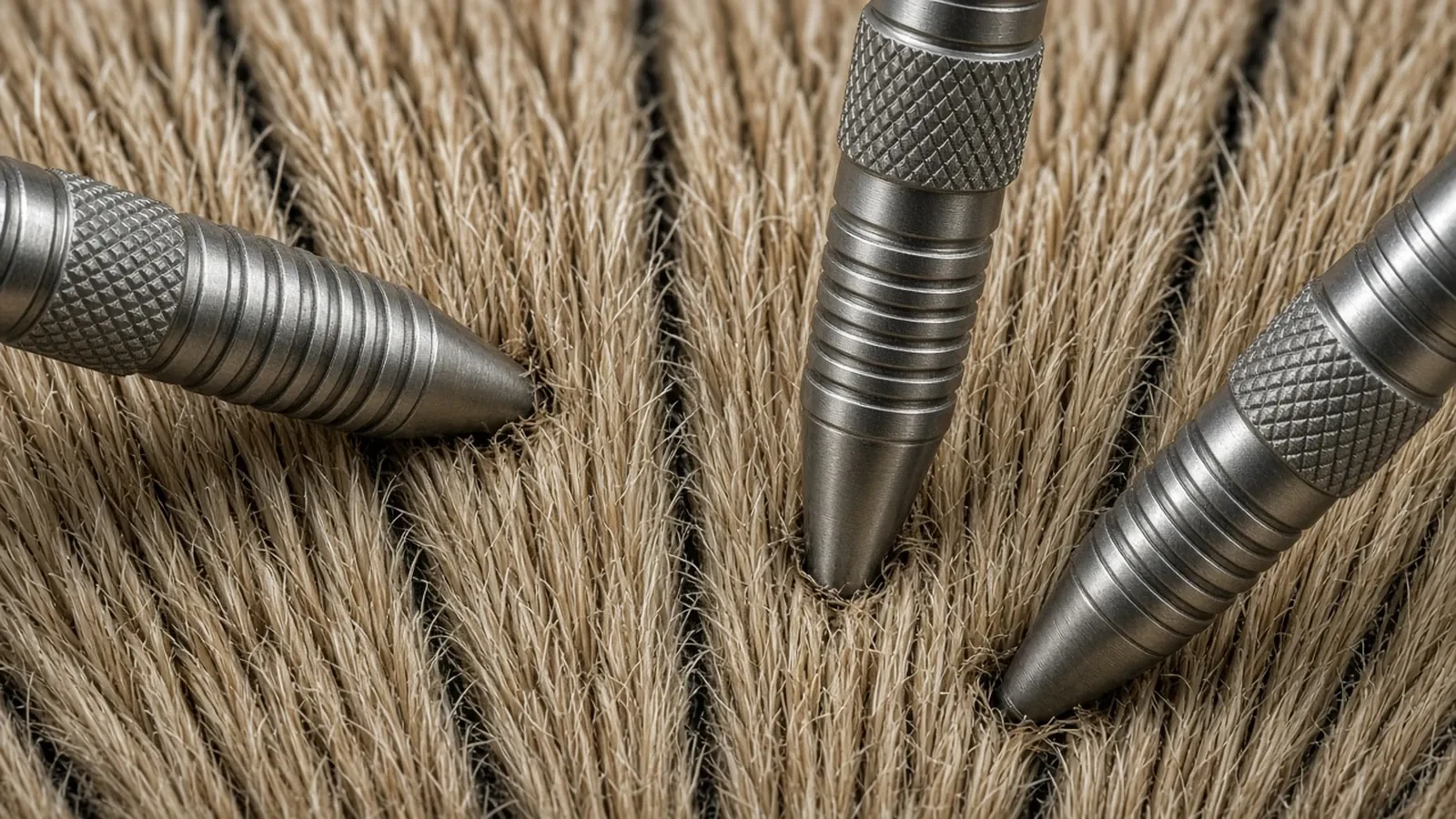
A darts night breaks when the bar has taped off four boards and ten people are waiting with a pint, or when someone who said maybe arrives after the sets are counted and expects a turn the board does not have. Darts, the board each pair is given, and the house rules are set before the first throw. The bar does not open a fifth board because a coworker decided to come after the reservation closed. A maybe does not hold a board.
You can create a darts night RSVP that fills the boards the bar will hold for your group, records who will actually throw, and stops when those boards are full.
Ask what the bar will actually give you
Call the bar before you send the link. Write down how many boards are in the block, how long you have them, and whether the boards are steel tip or soft tip. If they will hold four steel-tip bristle boards for ninety minutes, with two throwers per board, eight people is your cap. A soft-tip dart punches a bristle board. If the bar's boards are steel tip, the page says steel tip only.
A spot is one person throwing. Ask whether a friend who will not throw can stand at the rail, and whether that person still counts toward the tab minimum or the room limit. Pick one rule and write it on the page. Rail guests do not take a set "for one leg." If they throw, they are a thrower, and they need a place inside the eight.
Ask whether house sets are included. A clear kit is three steel-tip darts per person, in the weights the bar keeps behind the counter, or a note that people must bring their own steel-tip set and will not be handed one at the oche. Write the distance the bar uses and leave it alone. Nobody moves the oche to make a short thrower more comfortable.
Set a capacity limit on people who will throw, not on everyone who was invited. When the last spot is taken, the form should say the night is full. If the bar has already blocked four boards under your name, a late friend is not in this rotation.
The oche line is a rule, not a vibe
Put the house rules on the page as a yes, in plain words. Steel tip only. Drinks stay off the oche and off the board. No one retrieves a dart until both throwers have finished the turn. Broken tips are handed to the bartender, not dropped in a glass. People who want soft tip, a cricket-only night when you booked 501, or a practice board in the hallway should not take a spot in this block.
If the room is 21 and over, say so in the question, not in a caption under a photo. An adults-only RSVP keeps a younger guest from being walked to the door after you have already counted them as a thrower. Ask for a yes that the person meets the bar's age rule. Do not collect a birthdate you do not need. The bar checks identification. Your form only needs the rule acknowledged so your list matches the door.
Plus-ones and a time to be at the board
The usual miss is the plus-one. "I am bringing Alex" is a second thrower if Alex will throw, and a rail guest if Alex will not. Track a plus-one separately so the board count is not hiding inside one yes. A partner who picks up a set is a second spot. Write that next to the guest question. If you have no spot left, the answer is no, even if they are happy to share.
Collect an arrival window that matches the block, not "after work." The window might be 6:45 to 6:55 for a 7:00 start. Write what happens if someone is later than that: their place in the pair goes to a standby who is already in the room, or the partner throws alone and the late person waits for a later leg if one exists. The bar will give the board to the next booking when your ninety minutes end. A late arrival does not extend the clock.
The moment the board list is locked
The meeting point is the board the host named, with the reservation name on the page and a phone number. A screenshot of the group chat is not a spot. You match names to the four pairs before the first throw.
Tie your deadline to the bar's cancellation line, the hour they release unpaid boards. A common lock is three days before the night. After that, a late yes is a call about a cancellation, not a promise of another set. Standbys do not have a board until you write back. A maybe does not hold a board.
Export the list the morning you lock: attending or not, throwing or rail only, house darts or bringing a set, age-rule yes, party size, arrival window, and phone. A darts RSVP is finished when every board has named throwers, the darts match the board the bar actually owns, and a late arrival knows whether they are throwing or watching.