
Coffee Cupping RSVP Website: Sample Counts, a Seat Cap, and a Cup Line
A coffee cupping RSVP has to lock a sample set and a seat before the roast is ground, because a maybe does not hold a sample.
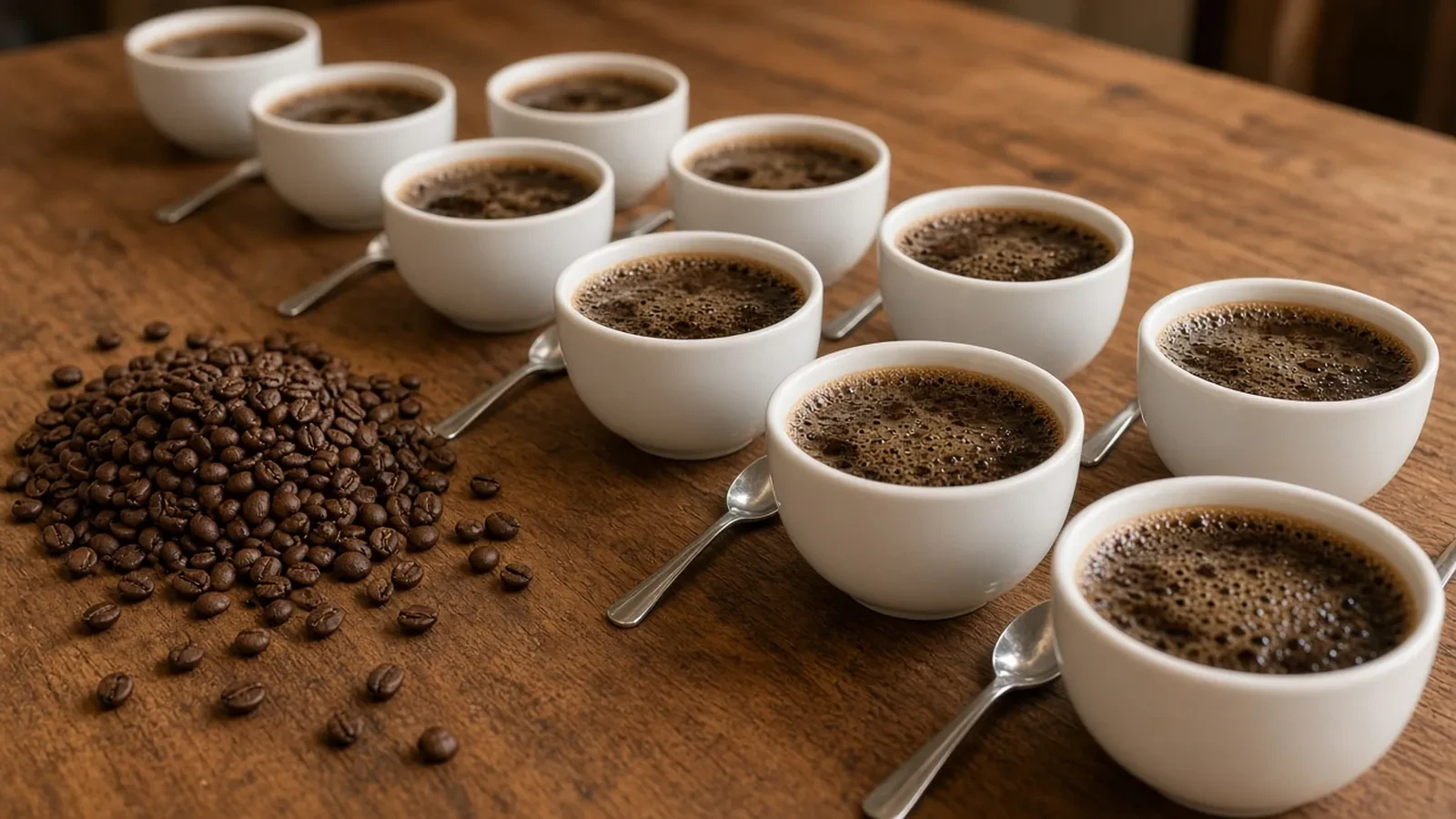
A coffee cupping breaks when the bar has twelve seats and sixteen people arrive for a sample flight that was never ground, or when the roast list was built for ten and four of those people were still a maybe when the beans were weighed. Sample sets, the seat each taster works at, and the cup count you rinsed are set before anyone lifts a spoon. The host does not invent a thirteenth flight because a coworker decided to come after the grind was done. A maybe does not hold a sample.
You can create a coffee cupping RSVP that fills the seats you will actually pour, records allergies and preference notes you can honor, and stops when those sample sets are spoken for.
Count the seats the bar can hold
Walk the tasting bar before you send the link. Write down how many stools fit along the rail without elbows colliding, how many bowls and spoons you can rinse between rounds, and whether a side table is shared with retail that day. If you can run twelve tasters for a ninety-minute flight, with one sample set per seat and space to spit or rinse, that number is your cap.
A sample set is one taster with one flight card, not one person who likes coffee shops. Ask whether a guest who will not taste can stand behind the rail, and whether that person still counts toward the number the cafe allows in the tasting room. Pick one rule and write it on the page. Guests stay off the spoon tray. They do not claim a second flight.
Ask the last time you can change the roast list without wasting beans you already weighed. If you grind on Friday morning for a Friday evening cupping, that Friday morning is your lock. Write the finish too: three to five coffees as you labeled it, cups cleared by the time on the bar schedule. A sixth mystery roast "if people want more" is not a plan.
Set a capacity limit on tasting seats, not on everyone who was invited to hang out in the cafe. When the last sample set is taken, the form should say the cupping is full. If the beans are already ground, a late taster is not at this bar.
The cup line is a flight, not a free pour
Name the coffees and the format you will host and stop there. A clear line is three single-origin samples on the card you printed, scored with the spoon method you demonstrated, with each taster bringing a notebook if you asked. Espresso-only flights that need a different machine, a milk-heavy latte class, and a kids cocoa tasting that needs a different setup are a different event with a different bar.
Put dietary limits on the form where they change what you grind. If a roast was processed with nut contact, or if you offer a flavored sample that uses dairy in a side pour, write that. Collect dietary restrictions with severity so a mild preference does not look like an anaphylaxis note. You need a yes to this flight, this seat, and this allergen line before you weigh.
Adults only, and a time to be at the rail
Cuppings go wrong when one yes hides a whole office. One taster who brings three coworkers is one sample set and four bodies, not four flights. Ask for the taster's name, whether they need a seat at the rail or only a spectator spot, and how many people will be with them in the room. A coworker who is only chatting does not get a spoon.
If the bar is twenty-one and over because you are pairing a small pour of coffee liqueur or because the cafe policy requires it, say so. Use an adults-only RSVP so the age rule is on the page before anyone books a babysitter. Collect arrival inside the grind window, not a vague evening. The window might be 6:40 to 6:55 so the first bowls are hot before the second wave blocks the rail. Write what happens if someone is later than the first pour: the sample set goes to a standby taster who is already in line, or it stays empty and the late arrival watches from the retail side.
The moment the roast list is locked
The meeting point is the tasting rail you named, not "the cafe" with no door. Put your phone on the page. A message in the group chat is not a seat assignment. You match names to the flight cards.
Tie the deadline to the grind, the day the sample count cannot change. After that, a late yes is a call about a cancellation, not a promise of another bowl. If you want names ready when a taster drops, keep them as standbys and tell them they do not have a sample set until you write back. A maybe does not hold a sample.
Export the list the morning you lock: attending or not, dietary note with severity, age acknowledgment, party size in the room, arrival window, and phone. A coffee cupping RSVP is finished when every seat has a named taster, the roast list matches what you ground, and a late arrival knows whether they are tasting or turning around.