
Bonfire Night RSVP Website: Fire-Ring Spots, a Permit Headcount, and a Rain Cutoff
A bonfire night RSVP has to lock a chair outside the fire ring and a spot on the permit before dark, because a maybe does not hold a chair at the ring.
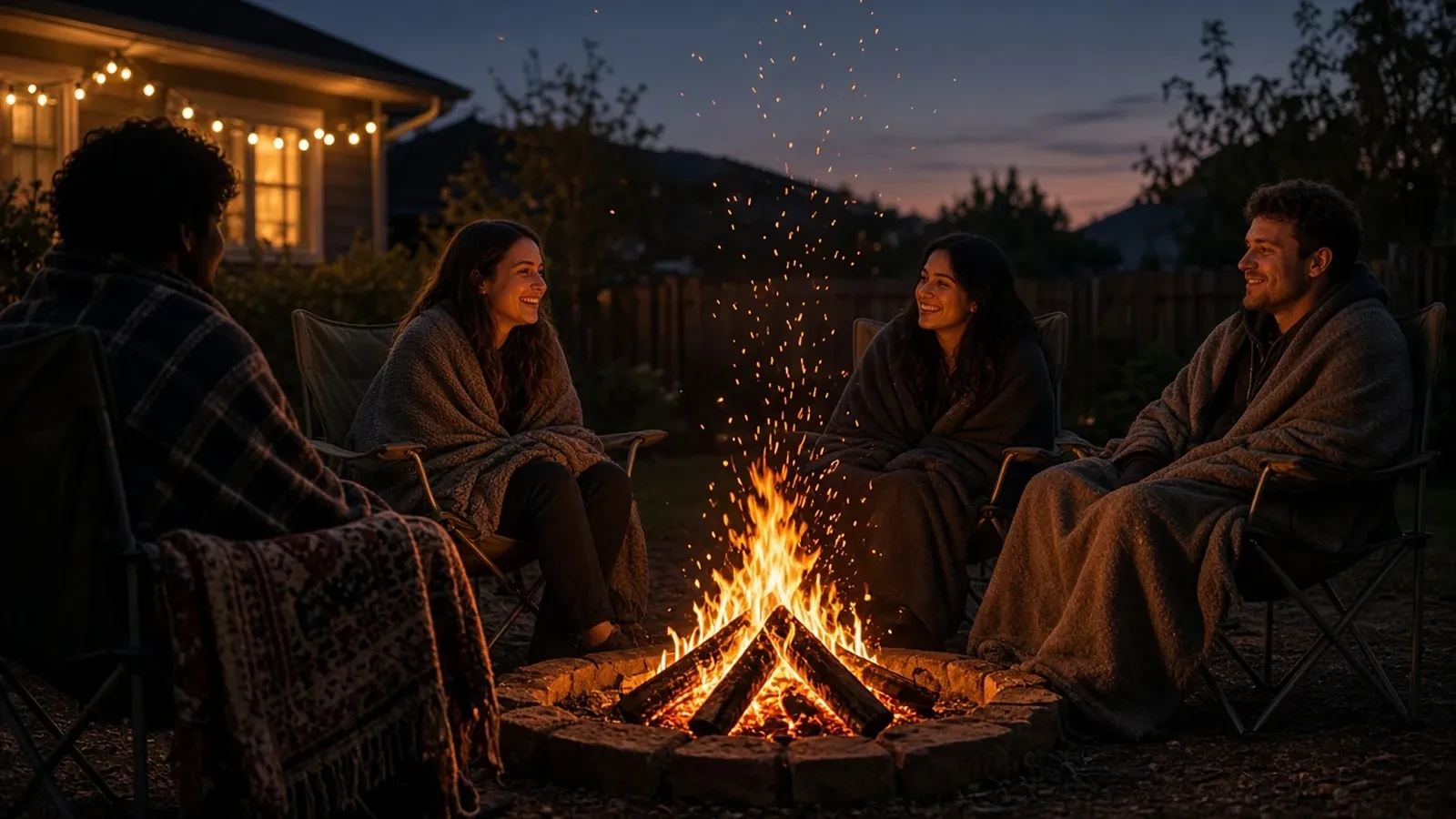
A bonfire night breaks when the permit allows thirty people and forty arrive with chairs, or when the fire ring fits twelve seats and the rest of the group stands inside the ash line. Wood, the ring, and the town's headcount are set before anyone parks on the grass. The ring does not grow because a friend decided to come after dark. A maybe does not hold a chair at the ring.
You can create a bonfire night RSVP that fills the spots the ring and the permit allow, names the rain rule, and stops when that fire is full.
Ask what the ring and the permit hold
Check the site before you send the link. Write down whether a fire is allowed that night, whether you need a permit, the maximum people named on that permit, how far chairs must sit from the flame, and what time the fire has to be out. Those numbers are your cap. Do not guess from the size of the field.
The ring and the permit can disagree. A yard might feel like it holds fifty, while the permit says thirty, and the safe ring of chairs only fits fourteen. Use the smallest number for people who will be on the property while the fire is lit. Ask whether spectators who stay in the house count. If the permit counts every person on the lot, count them.
Set a capacity limit on people who will attend, not on everyone who was invited. When the last spot is taken, the form should say the fire is full. A neighbor who might stop by still needs a place outside the ash line and a count on the permit. If both are used up, they are not at this fire.
Write down whether kids are invited and how far chairs sit from the flame. Put that rule on the page. This page is the headcount for a fire you already planned, not instructions for building one.
Rain, a burn ban, and a real backup
A fire night fails in weather more often than it fails on food. Add a weather contingency before you send the link: what you will do about rain, high wind, a burn ban, or a drought restriction, who decides, and by what hour that day. If the town bans open flames, the event does not become a surprise fire anyway. Say whether you move everyone inside, postpone to a named date, or cancel.
If the backup is indoors, the cap may change. A living room that holds eighteen is not the field that holds thirty. Say the indoor number on the page, and say that a yes for the fire is not automatically a yes for the house. Ask people to confirm again if you move. An old maybe does not become a seat on the couch.
If you are handing out food, cap it to the same headcount. Do not buy for invites. Buy for yeses.
Where the cars go
Night events on a field or a dead-end road fail when cars line the ditch and block the way out. Collect parking plans that match the lot you actually have: park in the marked row, park on the street and walk, or share a ride because the drive holds eight cars. If the lot is smaller than the guest list, cap cars, not just people. A household in one car should say so. Two cars for two people is a different problem than two people in one car.
Put the address, the gate code if there is one, and a landmark that works after dark. Say whether the path from the cars to the ring is lit, flat, or a slope. If someone cannot cross that path, you need to know before they drive out. A chair by the fire is not a promise of a paved walk.
The hour the fire is out
Put the start and the hard end on the page. The end is when the fire is drowned and people are off the field, not when the conversation winds down. Late arrivals do not get a restarted fire after you have started putting it out, and they still count against the permit if they show up.
If you allow a guest, that person needs their own spot and their own count. Track them as a separate yes. One form that hides an extra person will blow the permit number and the chair ring. Say that on the page.
Ask for a phone number you can use that afternoon if a burn ban changes. Do not collect more detail than you will use to call off the fire.
Tie your RSVP deadline to the moment you buy wood, food, and any permit copy you have to file with a headcount. After that, a late yes is a call about a cancellation, not a promise of another chair. If you want names ready when someone drops, keep them as standbys and tell them they do not have a spot until you write back. A maybe does not hold a chair at the ring.
Export the list the day you lock: attending or not, adults and kids, car or shared ride, phone, and the weather rule you published. A bonfire night RSVP is finished when every chair fits outside the ash line, the permit count matches the list, and you can call the group off if the ban changes without rebuilding the night in the dark.