
Backyard Wedding RSVP Tips: What to Ask Guests and When
Plan a relaxed backyard wedding with an RSVP that captures attendance, children, meal needs, arrival details, and weather-sensitive information before the big day.
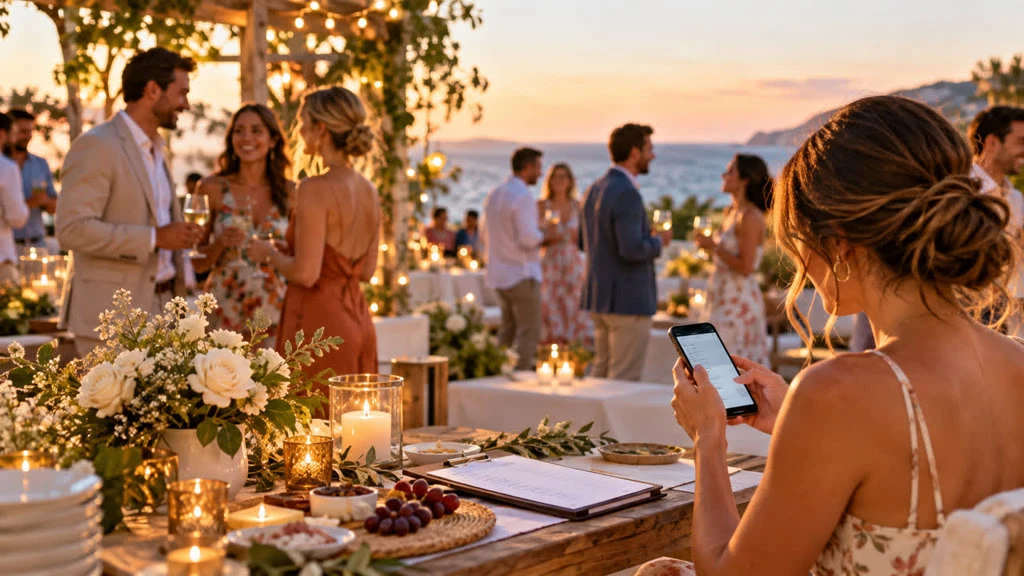
A backyard wedding can feel personal, flexible, and wonderfully informal. It also asks you to plan details that a traditional venue may handle for you: parking on a residential street, uneven paths, restroom access, weather changes, rentals, and a realistic dinner count. A useful RSVP is the simplest way to turn a friendly invitation into a workable plan. Instead of asking only “Are you coming?”, use the response form to collect the decisions that affect your home, budget, food, and timeline.
Start with a guest list your space can actually hold
Before writing RSVP questions, decide your comfortable maximum. Count seats, not just people: include dinner chairs, ceremony seating, space for a buffet line, a dance area, and room to move between the house and yard. A backyard may look spacious until tables, shade, a bar, a stroller, and a few wet-weather options are added. If your guest list is close to the limit, an online RSVP lets you see the likely headcount early and follow up with people who have not responded.
Be specific about who is invited. List each household member by name rather than leaving an open “family” option. If children are welcome, say so. If the invitation is adults-only, state it kindly in the event details instead of forcing guests to guess. A clear guest list prevents an awkward capacity problem and makes the response data more useful.
Ask the RSVP questions that change your setup
Keep the form short, but include questions with a clear planning purpose. A practical backyard wedding RSVP can ask:
Will you attend the ceremony and reception?
How many people are in your invited party?
Will any children attend, and what are their ages?
Do you need an accessible route or seating accommodation?
Do you have food allergies or dietary restrictions?
Will you drive, use a rideshare, or need the suggested parking information?
Would you like updates if the weather changes?
Do not collect information merely because a form makes it possible. A question about song requests may be fun; a question about arrival time is useful if parking is limited or the ceremony begins promptly. Tell guests why you are asking for anything unusual. “We are planning seating and dinner for everyone who replies” feels more welcoming than a long unexplained questionnaire.
Make outdoor logistics clear before guests respond
Your RSVP page should answer the questions people would otherwise text you about. Include the full address, ceremony and meal times, parking instructions, restroom information, dress guidance for grass or gravel, and a note about the weather plan. If the address is private, share it only with invited guests through the event page or invitation rather than posting it publicly. Add a contact method for accessibility questions.
If rain changes the plan, explain how guests will hear from you and by what time. You might say, “If the ceremony moves indoors, we will update this page and email guests by 10 a.m. on Saturday.” Do not promise a notification channel you will not monitor. A single reliable event page is easier to update than several versions of a group text.
Choose a deadline that protects your budget
Set the RSVP deadline early enough to order rentals, confirm catering, arrange chairs, and create a weather plan. For a backyard wedding, three to four weeks before the event is a practical starting point; move it earlier if food is custom-ordered or rentals are scarce in your area. Put the date in a prominent place and repeat it in the invitation message. After the deadline, contact nonresponders personally with a polite final reminder rather than silently counting them as yeses.
When you close responses, compare the confirmed headcount with your usable seating and your caterer’s minimums. Separate attending adults, children, vendors, and people who need special meals. The outdoor wedding guest-count guide can help you think through weather, seating, and space before you finalize the number.
Use an RSVP page guests can finish on a phone
Backyard wedding guests may open the invitation while commuting, shopping, or standing in a kitchen. A mobile-friendly form should show the event details, let each invited person respond clearly, and confirm submission. Avoid requiring guests to download an app or create an account just to answer one invitation. A shareable link also makes it easy to include the RSVP on a printed card or QR code.
Browse SnapRSVP event page examples to see how a focused page can combine details and responses. When your guest list and event information are ready, you can build a page with the SnapRSVP event page creator.
Backyard wedding RSVP checklist
Set the maximum your yard, seating, food, and weather plan can support.
Name every invited guest and clarify children and plus-one rules.
Add attendance, meal, accessibility, parking, and weather-update questions only where needed.
Publish the address, timing, surface conditions, and contingency plan.
Set a firm response deadline and send one human follow-up to nonresponders.
Export or review the final count before ordering food and rentals.
The goal is confidence, not a complicated form
A backyard wedding RSVP should feel as warm as the celebration itself while giving you dependable numbers. Clear guest names, practical questions, useful logistics, and a firm deadline will do more for your planning than a dozen novelty fields. Collect only what you will use, keep the page easy to open, and give guests a simple way to tell you what they need. That balance lets you stay a host instead of becoming a last-minute head-count clerk.