
Baby Naming Ceremony RSVP: A Thoughtful Guest List and Event Plan
Plan a baby naming ceremony RSVP that balances family traditions, privacy, attendance, accessibility and practical reception details in one respectful page.
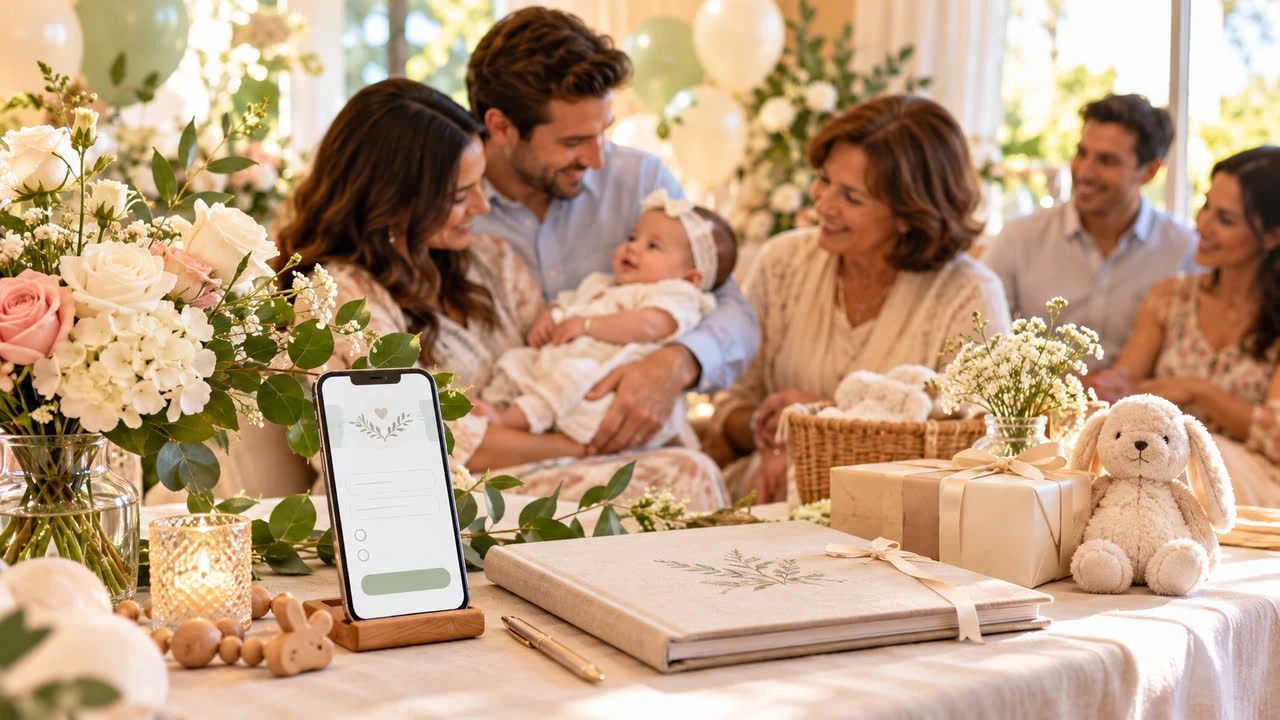
A baby naming ceremony may be intimate, religious, cultural or entirely family-led. Whatever form it takes, the organizer needs an accurate sense of who will attend and what support the venue or reception requires. A well-designed baby naming ceremony RSVP gives guests the essential context without asking them to explain private family matters in a public form.
Begin with the family’s chosen name for the gathering. “Baby naming ceremony,” “welcome ceremony” or another term may be meaningful to the hosts. Add a short description of the tradition or program only if guests need it to understand what to expect. The page should be welcoming, not a test of whether someone already knows the customs.
Put the invitation boundary first
Show the date, start time, approximate end time, venue and host before the response button. State whether the ceremony is followed by a meal, reception or informal gathering at the same location. If guests are invited to both parts, say whether one answer covers both. If the reception has a separate capacity limit, give it its own response choice.
Family events can involve several generations and households. Decide whether one person may respond for everyone in an invitation or whether each adult should respond individually. Use names where possible so the host is not left with “the Smith family plus two.” If children are included, say whether they need to be counted for seating or food.
Ask only what the event needs
Attendance: attending or unable to attend, with the response date plainly stated.
Attendee names: the people the host should expect, including children when relevant.
Reception participation: whether the guest plans to stay for the meal or gathering.
Accessibility: a private note for mobility, seating, hearing or sensory needs.
Food information: only allergies or meal requirements the caterer can accommodate.
Message for the family: an optional note, kept separate from required planning questions.
A naming ceremony is not the place to collect unnecessary medical history, family background or a guest’s religious affiliation. If a specific ritual requires a role, reading or contribution, invite that person directly or ask one focused question. Keep sensitive information out of a general guest list.
Explain ceremony etiquette without overexplaining
Some guests will want to know whether photography is welcome, when to arrive, whether children may move around and what clothing is appropriate. Add a short “what to expect” section in plain language. For example, explain whether the ceremony is seated, whether there will be a pause for family photographs or whether guests should silence phones.
If the family requests no photography or no social sharing, say so respectfully and explain whether an official photographer will provide images later. Guests are more likely to follow a boundary when they see it before arriving rather than hearing it as a surprise at the door.
Make accessibility and arrival practical
Include parking, public transit, entrance instructions and information about stairs, lifts or outdoor paths. A guest may not know which door leads to the ceremony room. If the venue has limited accessible parking or requires a pre-arranged request, provide a private way to tell the host what is needed.
For older relatives or guests with babies, details such as seating, quiet space, changing facilities and the expected program length can make the difference between attending and declining. Ask for the need, not an explanation. “Please tell us about any seating or access support” is enough for the organizer to follow up privately.
Respect different kinds of attendance
A close relative may be unable to travel but still want to send a message or join a short livestream. Offer that option only if the family has a real plan for it. If remote participation is available, state whether the link will be sent to everyone who requests it or only to named guests.
Likewise, do not pressure guests who decline to explain. An RSVP no is a complete response. An optional note can let someone send good wishes, but it should never be required to make a decline feel acceptable.
Set a deadline that matches the family plan
Choose the deadline based on seating, catering, printed programs and any ritual materials. Send the page early enough for traveling relatives to decide, then remind only people who have not answered. After the deadline, keep an edit path or a contact method for genuine changes. A duplicate form can make a household appear twice and create more work for the host.
Review the list privately. If a ceremony has a limited room, do not post the full attendee list publicly. Share only the practical details guests need, and give the check-in team the smallest list that supports their job.
Build the page with the right amount of structure
Look at the SnapRSVP event page examples for ways to place ceremony details before the form. When the questions are settled, use the SnapRSVP event page creator to create a focused response page, and review SnapRSVP pricing for the features that fit the gathering.
Test the page as a guest who attends, declines, brings a child and requests access support. Make sure the confirmation repeats the date and the next step. A warm thank-you message can reflect the family’s voice without replacing the practical information guests need.
Baby naming ceremony RSVP checklist
Use the family’s preferred name for the ceremony.
Show the ceremony and reception schedule before asking questions.
Define household, child and guest-count rules clearly.
Collect only actionable meal, access and arrival information.
Explain photo, phone and participation etiquette in a short section.
Keep the list private and provide a respectful change path.
The strongest baby naming ceremony RSVP is both useful and gentle. It gives the family a dependable plan while allowing guests to respond with the amount of information that the occasion actually requires.