
Anniversary Party RSVP: What to Ask Guests and When to Send It
Plan an anniversary party RSVP that handles family attendance, meal choices, children, accessibility, and milestone details while keeping the celebration personal.
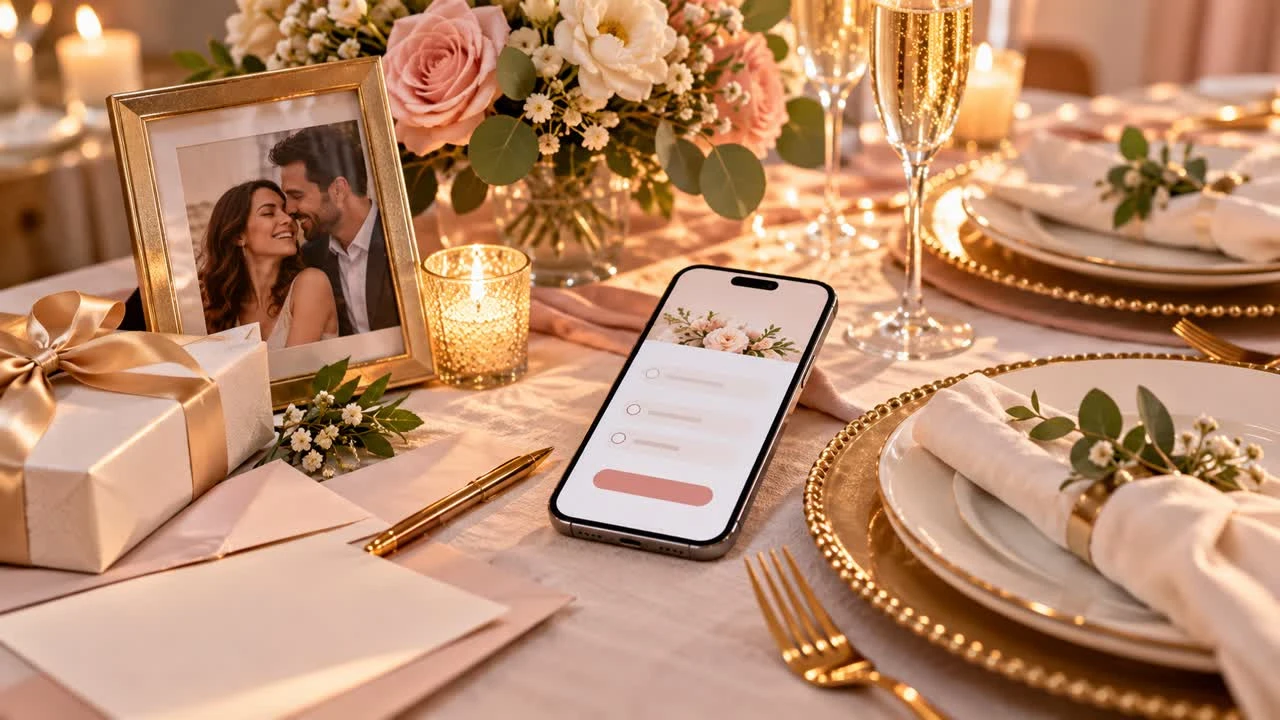
An anniversary party RSVP does more than count chairs. It helps you learn which relatives and friends will attend, plan food for a range of ages, prepare for accessibility needs, and decide how much of the celebration should be a surprise. Whether you are hosting a 25th anniversary dinner or a casual vow-renewal reception, a clear online RSVP can keep the planning warm and personal while reducing follow-up.
The best form asks only questions that affect the event. Before sending paper cards or starting a family group chat, create an anniversary party RSVP page with SnapRSVP so guests can find the date, venue, dress guidance, and response deadline in one place.
Decide what the RSVP needs to accomplish
First define the event: Is it a seated dinner, open-house reception, brunch, or multi-part weekend? Guests need to know what “attending” means. If there is a ceremony, cocktail hour, dinner, or slideshow at different times, list each part separately. Someone who can attend the afternoon gathering may not be available for an evening dinner, and that distinction changes the headcount.
Decide whether the couple of honor will see the guest list. For a surprise anniversary party, name a coordinator and make the privacy expectation clear. Avoid putting surprise details in a public RSVP field that could appear in a confirmation email or notification.
Questions to include on an anniversary RSVP
Begin with a simple attendance choice and the guest’s name. Then add questions that help with hospitality:
Who is attending: Ask each invited adult to confirm their own attendance and list any specifically invited children or household members.
Meal preference: Offer the actual menu choices, or ask about a dietary preference if the caterer needs it.
Allergies and accessibility: Provide a private field for allergies, mobility needs, hearing support, or other accommodations.
Event segments: Ask whether guests will join a welcome gathering, dinner, brunch, or other separate activity.
Travel and lodging: For out-of-town guests, share hotel information and ask whether help with local transportation is needed.
Tribute participation: If guests may give a toast, send a photo, or contribute a memory, use a separate optional question with a clear deadline.
Do not use the RSVP as a general questionnaire about the couple. A memory prompt can be lovely, but it should not block guests who simply need to confirm attendance. If you collect stories or photos, explain who will read them and how they may be used during the celebration.
Make plus-ones and children unambiguous
Anniversary guest lists can span generations, which makes assumptions risky. Address invitations to the people who are invited and state whether a named guest may bring a partner. If children are welcome, say so and ask for their names or ages only when that information affects seating, meals, or activities.
A form should not allow a guest to add an unlimited number of people when venue capacity is fixed. If the event is adults-only, say it kindly in the event details rather than forcing guests to discover it at the response step. Clear boundaries are more considerate than an awkward correction later.
Choose the right deadline
Set the RSVP deadline far enough ahead to finalize catering, rentals, seating, printed place cards, and any surprise program. For a local dinner, three to four weeks before the party may be workable; a destination or holiday celebration usually needs more notice. If a venue requires a final count earlier, use that date instead.
Send a save-the-date or early notice when travel is involved, then send the full RSVP link once the venue and schedule are settled. Keep the deadline visible on the page. After it passes, contact nonresponders privately and record their answer rather than reopening uncertainty for the whole guest list.
Use the page to share thoughtful details
An online RSVP is also a practical information hub. Include parking, public transit, hotel blocks, dress code, venue accessibility, and a note about whether photography is welcome. If there will be a toast or slideshow, tell guests when contributions are due. Keep the most important details above the form, then place longer travel notes below it.
Guests often want to know whether gifts are expected. A short line such as “Your presence is the gift” or a clear charitable preference can prevent uncertainty, but do not make a gift response mandatory. The RSVP should remain an attendance tool.
Send one clear link and monitor the list
Share the same page by text, email, printed QR code, or family newsletter. If relatives are less comfortable online, offer a phone contact for assistance rather than creating multiple unofficial lists. You can see SnapRSVP event page examples for ideas on organizing the page so older and younger guests can navigate it easily.
Review the responses weekly. Look for missing meal choices, duplicate household entries, and guests who answered for only one part of a multi-event celebration. Resolve questions before the catering deadline, then export or save the final count for the venue and host team.
Anniversary RSVP checklist
Define every event segment and its attendance choice.
Set a guest policy for children and plus-ones.
Ask only for meal, allergy, accessibility, and travel details you will use.
Set the response deadline before vendor cutoffs.
Explain surprise-party privacy if applicable.
Send one mobile-friendly link and provide a help contact.
A thoughtful anniversary party RSVP respects guests’ time while giving the hosts reliable information. Keep the form short, make the invitation policy clear, and use the responses to create a welcoming celebration. For more practical ideas, visit the SnapRSVP blog for planning guides.